


Buy Oxytocin Exclusively At Clinique Minceur | Premium Research Peptides Quebec
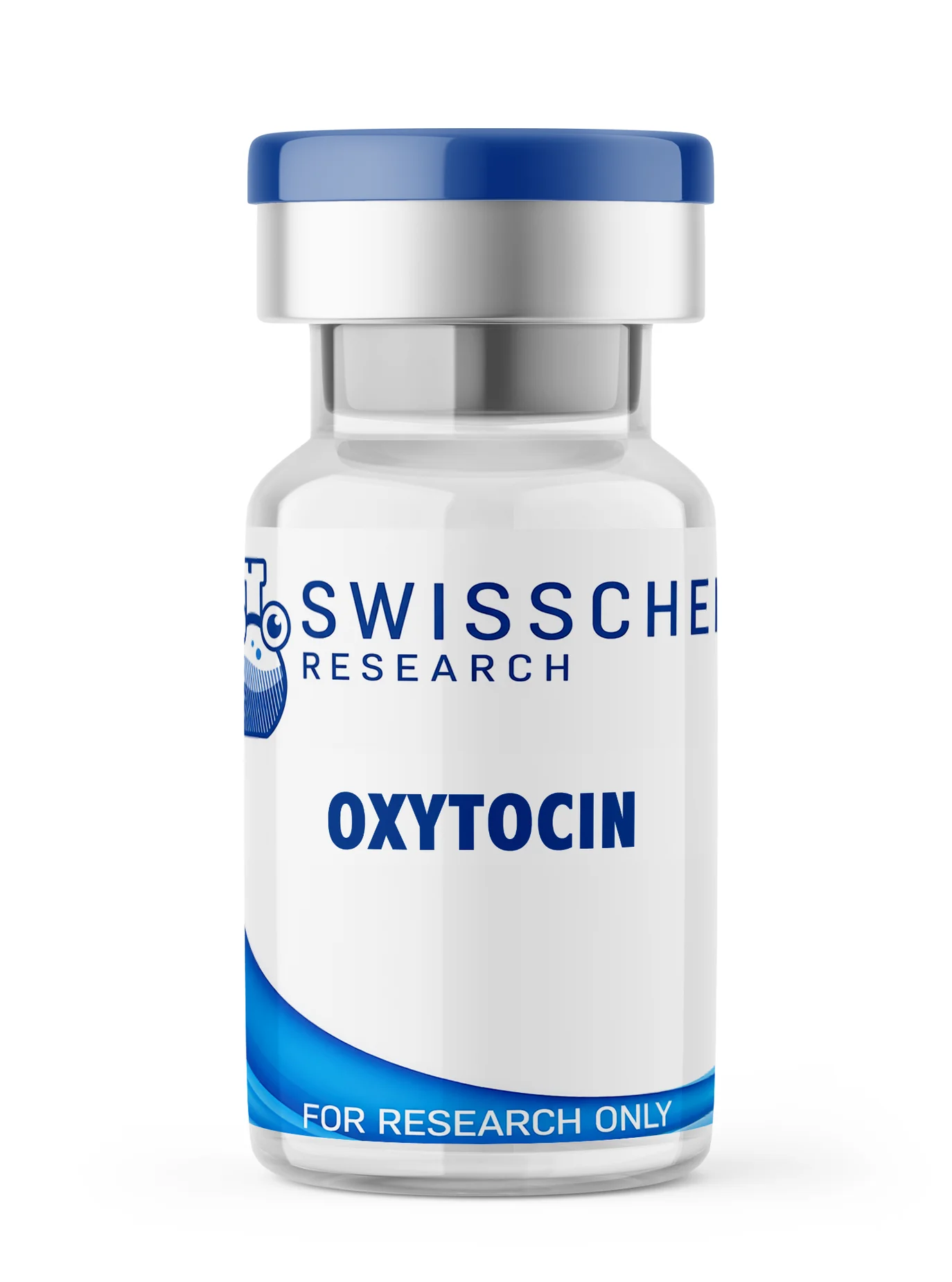
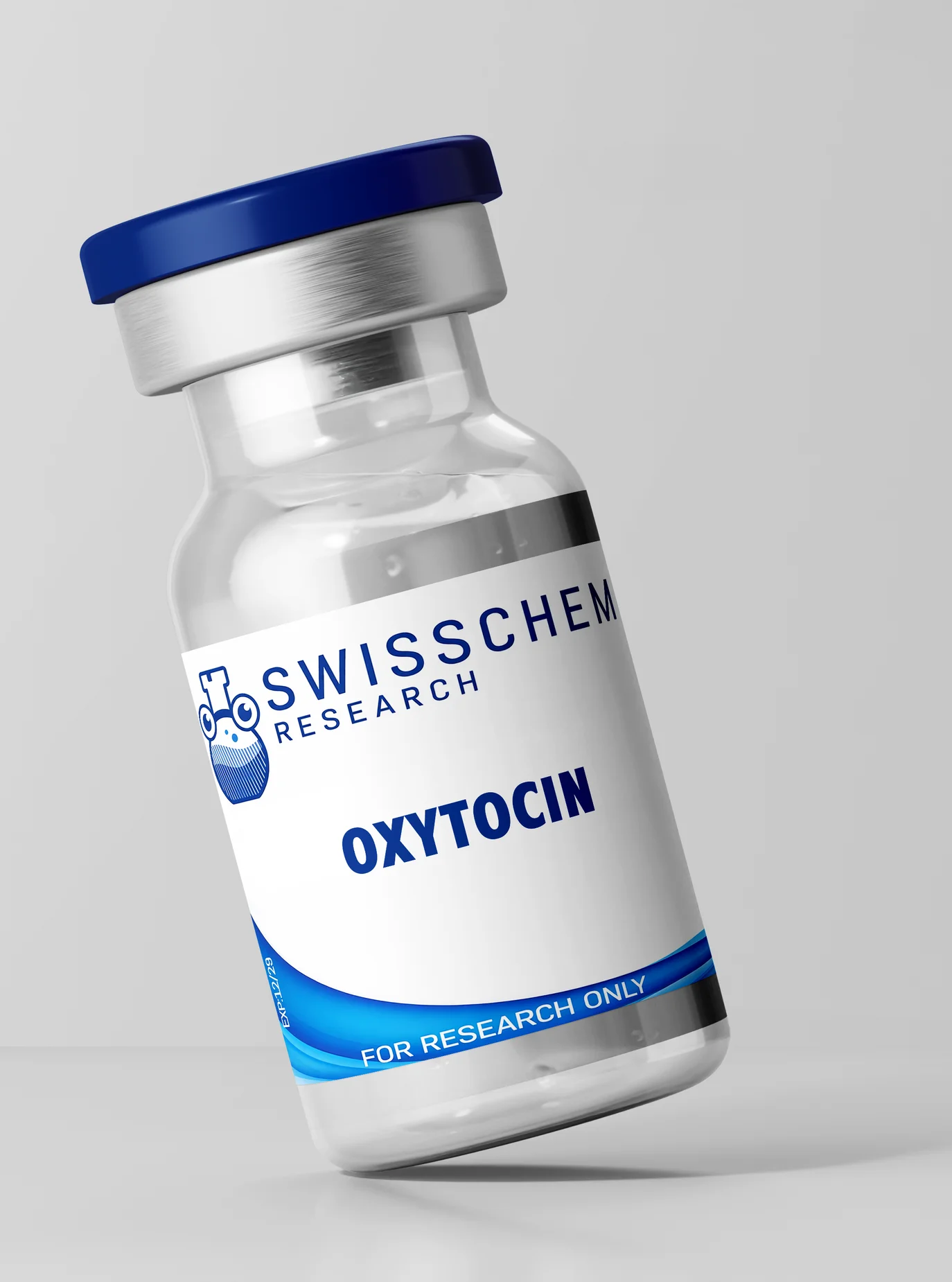
Oxytocin is a premium naturally occurring nine-amino-acid neuropeptide synthesized in the hypothalamus and released by the posterior pituitary gland. Widely known in scientific literature as the “trust peptide” or “social bonding hormone,” this molecule is one of the most extensively studied compounds in contemporary neurobiology, behavioral psychology, and neuroendocrine research. Its universal presence in mammalian biological systems and its central role in multiple signaling pathways make it a foundational compound for advanced laboratory investigations.
In highly controlled laboratory environments, Oxytocin is rigorously studied for its interaction with oxytocinergic receptors distributed throughout the brain and peripheral tissues. Researchers utilize this compound to investigate how receptor activation influences social behaviors, emotional responses, trust and empathy mechanisms, and complex neuroendocrine pathways. These mechanisms are essential for understanding how neuropeptides coordinate behavioral and physiological responses across multiple interconnected biological systems.
Neuroendocrine Signaling and Social Behavior
A major focal point of modern scientific research involving Oxytocin is its dynamic interaction with neural circuits related to social behaviors and emotional responses. Laboratory models examine how this neuropeptide influences dopaminergic and serotonergic pathways, social reward mechanisms, stress responses, and affiliative behavior patterns. These insights are particularly relevant in research focused on the neurobiology of social interactions, anxiety regulation, and the neuroendocrine mechanisms of attachment.
Furthermore, significant scientific interest centers on Oxytocin’s role in modulating the hypothalamic-pituitary-adrenal (HPA) axis and stress response regulation. Researchers investigate how this neuropeptide influences cortisol levels, stress adaptation mechanisms, and physiological recovery pathways. These studies provide valuable data on the complex interactions between neuroendocrine and behavioral systems under simulated stress conditions.
Physiological Functions and Peripheral Pathways
Beyond its neurobiological roles, Oxytocin is extensively explored for its peripheral physiological functions. In advanced cellular models, researchers document how this neuropeptide influences smooth muscle contractility, anti-inflammatory pathways, cardiovascular function, and metabolic regulation mechanisms. These studies provide valuable data on the complex interactions between central and peripheral nervous systems in regulating fundamental physiological functions.
Laboratory models also examine how Oxytocin interacts with immune systems, inflammatory signaling pathways, and cellular protection mechanisms. These insights are particularly relevant in research focused on neuro-immune interactions and bidirectional communication pathways between the brain and the peripheral immune system.
This premium formulation is supplied in a sterile, lyophilized (freeze-dried) powder form, specifically selected to ensure maximum biochemical stability, highly precise measurement, and consistent reconstitution under proper laboratory conditions. This format is perfectly suited for extended research protocols, granular dose-response studies, and complex comparative experimental designs.
To preserve the highly sensitive structural integrity of the peptide sequence, strict adherence to climate-controlled, cold-chain storage is absolutely mandatory. Once reconstituted with bacteriostatic water, vials should be kept strictly refrigerated between 2°C and 8°C.
Key Research Attributes
- Premium naturally occurring nine-amino-acid neuropeptide
- Widely studied in neuroendocrine signaling and social behavior research
- Investigated for its roles in trust, empathy, and emotional response modulation
- Explored in depth in stress regulation and HPA axis models
- Studied for its peripheral physiological functions and anti-inflammatory pathways
- Investigated in neuro-immune communication and cardiovascular signaling models
- Premium lyophilized format for maximum structural stability and measurement precision
- Intended strictly for in-vitro and controlled laboratory research use
Oxytocin continues to generate considerable and growing scientific interest within the global neurobiological research community due to its unique multifunctional role in neuroendocrine, behavioral, and physiological systems. It remains an absolutely essential addition to peptide libraries focused on advanced neurobiology, behavioral research, and the fundamental mechanisms of neuroendocrine signaling.
Disclaimer: Oxytocin is supplied strictly for laboratory research use only. It is not intended for human or animal consumption, medical treatment, or diagnostic purposes. All handling and use must comply with applicable laboratory regulations and research standards
















Reviews
There are no reviews yet.